Showing posts with label Universty of Lincoln. Show all posts
Greetings everybody! 

First things first... HAPPY NEW YEARS EVE! The year of 2015 is fast approaching the end and I would like to say for the millionth time but from the bottom of my heart- I am sooo sorry for the lack of posts featured on the blog. I would like to say thank you to those who passed the website onto other friends and family and sticking with it! Greatly appreciated! 

Not much of an excuse but it has been a crazy year both positively and negatively, but we will come back to the Crazy 2015 year (all the positives I promise). 

Before I get ahead of myself I have a few updates for you about the website, check them out!

  1.  This magnificent blog is no longer run by two people but by one. Me (Topaz) 
  2.  At the moment I am working full time Monday - Friday as well as part time on weekends as a Science Tutor!!! (the second is the exciting one not the first). HOWEVER, come February, my work schedule will become a lot more blog friendly (so more posts yay!). So just hang in until then guys. 
  3. Biobunch's profiles have been refurbished, this includes the, Google+ page, Youtube, Twitter and the actual blog!! Be sure to keep an eye on them. 
  4. As a graduate I no longer have access to my university library so you will see a little less primary literature until I can afford a renewal of my nature subscription. 


Well... those were the updates... onto the actual post. For today, I have decided to take a slightly different approach to the celebration of 2015 by sharing with you my crazy 2015 year. 

With all my ridiculous deadlines for assessments, lab practicals, my dissertation (super scary document) and serious revision for exam season, one thing rescued both me and my fellow housemates. Comfort food and drinks. Yes- there was a lot of comfort food whether it be a cheeky cocktail, a starbucks frappuccino or an XXL Papa Johns Pizza (for myself only- of course). Ofcourse one of the stresses was receiving UNWANTED house guests (top right). 

Next up is my amazing trip to Ecuador- thats right BIOBUNCH DID SOUTH AMERICA!!
I was lucky enough to go with two amazing people, and we took part on the safe and calm adventure activities... I lied. White water rafting, Bridge Jumping, Canyoning and an Amazon Rainforest Day Trip, where we ate local cuisine out of massive broadleaves and ate some lemon ants! Not ones to shy from a challenge we went to a bar known for being overrun by the cats in the area and asked for... the Bob Marley Shot (bottom picture) - and yes that is fire on top... and yes you drink it when it is lit! Oh and we saw a volcano plume whilst sipping a hot chocolate and eating the best cheese melt. 


Yeah... it was an amazing year and it is near to impossible to describe the emotional rollercoaster you feel in the final year of university, your both excited and devastated at the exact same time. Excitement for beginning your new life, or returning home and devastated at the thought of leaving arguably some of the best 3 years of your life in term of friendships formed and memories made. How best to finish of this small snapshot than with some pictures of my graduation from the amazing University of Lincoln. 


And similar to the year of 2015 we are fast approaching the end of this post. In the spirit of the New Year, one of my resolutions is to be consistent with the blog and its social platforms, and yours can be to keep visiting the site LOL. 

I thought I would leave you guys with a treat... it is almost an equivalent to be a spoiler trailer with some posts coming out for 2016: 

Biology Behind: The Walking Dead

Crash  Course in Global Warming Vs Climate Change (in light of our recent extreme weather)

Royal Institution Lecture Summaries Series. 

In the mean time enjoy our white water rafting video! Seriously I am on it (almost drowned twice!)


HAPPY NEW YEAR EVERYONE!
Biobunch, 
Over and Out


Greetings everybody, 

We bet your sitting there on this nice Friday evening, thinking why has Biobunch not covered the Bubonic plague, especially as there have been some recordered outbreaks in Madagascar and one case in China. Well have no fear, because we decided to tell you great people about one of the most historic diseases! Enjoy!


First of all lets have a look at the bacterium that causes the plague, we introduce to you Yersinia pestis: 


The plague already comes with a pretty bad wrap. It is noticed as an ancient disease that had the most effect on the course of human history, as it was involved in three great pandemics and still remains to be an international health concern to this very day. 
Yersinia pestis is a gram negative (has three cell layers) and rod shaped bacterium, and problems wight the plague have been heightened in modern day, due to the ever mounting mutlidrug resistant strains and the use of the plague as a bioweapon. 


Why is the plague so lethal, when it is only caused by bacterium and not a virus? 

This question popped in our heads instantly after we read that the plague was indeed caused by a bacterium. However the question as always lies in the bacterias genetic make up, in other words, Y. pestis owns its success to its DNA. 
It was found that it is all down to a combination of plasmid (referring to small circular DNA) and genome (entire makeup of an organism) encoded virulence factors (the ability to successfully invade a host). However, the most important factor that adds to the virulence is a factor called T3S. This cocktail of factors allows the bacteria to evade out immune system! Cheeky! 

So we have been introduced, you know what it is that makes this a tricky bacteria to pin down, but now onto the fun part...

How does it work?


The mechanism of how a disease affects the body is referred to as its pathogenesis, and the plague has a relatively simple (as simple as you can get with a disease) pathogenesis. 


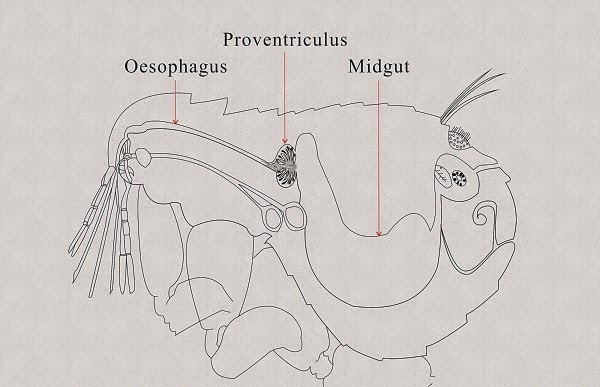
Firstly, it is not all down to rodents as to why we acquire the plague, it is a multitude of organisms that can give it to us. If you are to blame anybody its fleas! Granted the fleas acquire the pathogen from an infected rodent of some kind, and similar to malaria the bacteria replicates in the midgut of the animal. This eventually migrates into the fleas proventriculus and oesophagus, and from there towards its mouthparts. 

In this case the flea is often referred to as a vector (carrier) of a disease. 


During a fleas blood meal, it regurgitates the bacterium Y.pestis into there dermis of its host. This is then taken up by our bodies macrophages, it uses our own cells as protection from any other cells. When inside this macrophage it proceeds with replicating and produces antiphagocytic factors (anti death factors). Once replicated the bacteria are released from the now dying macrophage and spreads straight into our lymph node, where they subsequently replicate again. 
They manage to avoid phagocytosis via some specialised neutrophils (polymorphonuclear) and resist a number of toxic effectors released by lysing (similar to exploding) neutrophils. These combined actions leads to a hemorrhagic, oedematous (a swelling due to excessive accumulation of watery fluids in cells and tissues), swollen and painful lymph node that then forms the defining  characteristic of the bubonic plague. 
Otherwise known as the bubo!


This accumulation of watery fluids, blood and swelling causes the lymph node to become overwhelmed, and then allows the bacteria to disseminate into the blood stream; this produces a sudden onset of a systemic infection and fatal septicaemia (Septicaemia is blood poisoning, primarily caused by bacteria and toxins). 
In a low proportion of these infections, septicaemia can cause pneumonia. Once this has occurred Y.pestis is able to be transmitted from person to person via contaminated aerosols (sneezing). 

The need for more research, and possible cures: 

It has been shown that there is a lack of data on the pathogenesis of this disease, however there is a body of evidence that suggests the flea vector somehow enhances the bacterias ability to resist phagocytosis by our bodies macrophages. There has been little progress in the field of how the pathways that aid the resistance of the innate immune system work. Lastly, how Y. pestis uses its pathways in order to replicate is poorly understood. 
Interestingly, studies have indicated that the skin and lymph node are two very important areas in which the Y. pestis must root its arsenal in order to have a successful infection. 

Now for some good news in a way. To this date there have actually been a number of vaccines for plague and have been used on humans, however due to its sporadic nature it has been pretty tricky to gain an overall objective view of their clinical efficacy. 
Have no fear! there is a prospect on the horizon of a recombinant safe, subunit vaccine which for the first time is expected to put up a good defence against all forms of plague including the pneumonic plague. 


Thats Biobunch, 
over and out


Greetings everybody, 

How would you feel if you went into your kitchen, to run some water from your tap and instead of a nice clear glass of water you are greeted with this. 


Well this is what the people in Toledo, Ohio have been faced with, but what has caused their drinking water to turn such a toxic green colour? Believe it or not the culprit is microscopic! We know what your saying isn't it always, they always do the cool stuff. Biobunch introduces to you Microcystis aeruginosa! 


This bacteria belongs to family called Microcystis, one of the most common bloom forming cyanobacteria in temperate freshwater ecosystems. Microcystis aeruginosa produces a hepatotoxin called microcystin, this toxin is harmful to animals and humans. This toxin bloom built up at the western end of the lake; the main source of drinking water for Toledo Ohio. This left them without a water source for several days but has now cleared. Very unfortunate. 

But why now? 

In a paper published in the database PLOS ONE reports that blooms such as those experienced in the Lake Erie are often associated with high temperatures and the availability of nitrogen and phosphorus. Interestingly, freshwater ecosystems have low concentration of phosphorus, but the lake was shown to have unusually high levels of phosphorus. But why? 
The western end of Lake Erie is neighbour to agricultural land, the lands are so well fertilised that they have excess soil, this excess leaked into the water system. And this was the beginning of the problem. 
This influx of phosphorus in the water triggered the bacterium to bloom. Experiments investigating the effect of Phosphorus loading on the bacteria showed significant enhancement on growth rates of Microcystis. Elevated nitrogen levels also play a role on increasing the growth and toxicity of the bacteria. Microcystis is thought to primarily use inorganic compounds as a source of nutrients, however in the summer months these levels drop due to cellular uptake of the bacteria peaking, this causes the bacteria to exploit the excess nitrogen and phosphorus run off. 
This may be set to continue as a cause of continued phosphorus run off from neighbouring farmed lands. 
For information as to how they gathered this information on the cyanobacteria and how they carried out even further research on to how gene expression changes both before and after algal bloom then please have a read, click here

Its a big lake, whats to stop the bloom from spreading further down the Lake and into other areas? 


An aquatic biologist put many minds at rest when he stated that this bloom of hepatotoxins was unlikely to spread further that the western part of the Lake, thereby leaving states such as Pennsylvania unaffected by the bacteria. The western part of the lake has shallow waters, meaning that the western waters are kept warm, and as previously mentioned they have a source of nitrogen and phosphorus courtesy of farming techniques. In comparison, it was shown the Central and Eastern basins are unlikely to experience such blooms. The Central basin has a depth of 60 ft, and the Eastern basin has a maximum depth of 210 ft, these high volumes of water make it harder for these waters to be heated by the sun. 
It was highlighted that any blooms to occur in any of the two regions will be less frequent, less severe, shorter lived and have a smaller bloom size overall. For the full article click here.  

The future for Lake Erie: 

As in most cases, one prime issue is Climate Change, with warmer waters set to occur on a global scale habitat availability for the Microcystis. Just one problem, but other than trying to reduce the adverse impact of climate change what else can be done? 
If you answered shift agricultural practices, thereby reducing surface run off. Give yourself a pat on the back, because you are correct. Researchers are going into how they can work with farmers in order to reduce this problem without necessarily blaming them. 

That marks the end of the post be sure to keep up to date with the feature in the news, and have a read into the links we provided up top they are pretty  awesome and we only managed to give you a snapshot of the story!
Biobunch, 
over and out

Greetings everybody, 
It is Day 3 of campaign week, meaning only 2 more days of this series and we have a good one lined up for you tomorrow! But all in good time people. 
Today's post is on...

Save our sharks, save our seas.

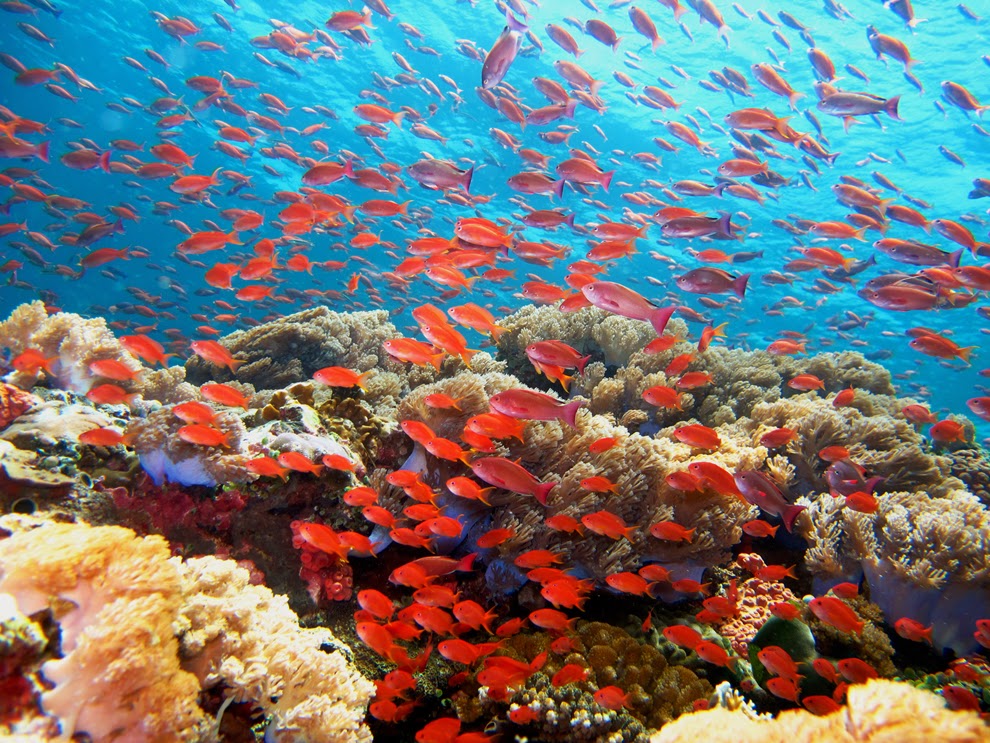
All of us marvel at the elegance and beauty of the submerged underwater world, we often see it for its beauty through the colourful fish that inhabit it and marvel at how little we truly now of this aquatic kingdom. As we sit back and watch our television screens we look in awe at such images like the one below...

http://www.planetdive.com.ph/wp-content/themes/theme1091/images/slide1.jpg


But did you know that you cannot have the above picture, without these?


Yes, sharks. But why we hear you say? Two simple words. Apex predator. Sharks were always guaranteed a seat at the head of the food chain, as very few things eat sharks other than... other sharks. It has been widely studied and there is evidence to support that apex predators such as the shark are crucial for the regulation of the food web structure and the ticking over of ecosystem processes. 

So lets take a look at the campaigns that will help our sharks!

Shark finning: 


Sadly, it does what it says on the tin, shark finning is the process of removing the sharks to pectoral fins and the dorsal fin whilst the shark is still alive, and then is  pushed back  of the boat and left to sink to the bottom of the ocean, left to either starve, drown or be eaten by other fish. 
Take a look at the video below, that goes into how important sharks are to the ecosystem they inhabit.
Caution: some  parts of this video shows a shark having its fin being cut off and maybe distressing for some people. 
Over 73 million sharks a year hare finned for the dish shark fin soup, many have described it to be a tasteless meat but is eaten anyway as it carries a stigma with it. Though it is not seen  a lot China is taking a stand against the shark fin soup. 


In a recent merger featuring some of the biggest names in conservation including the NGO shark savers, WildAid, National Geographic, Nat Geo Wild and WWF- Hong Kong, they launched the campaign...
With hollywood style broadcast messages, billboards, magazine ads and an online recruiting platform  created by Chinas most popular micro blogging platform, it was not surprising that they got the response they did. More than 100 celebrities joined in the first four weeks, 300,00 users pledged not to consume shark fin through an array of media from texting to photos and so on, it got to the point where they gained  2 million subscribers!! The support was amazing and maintained in Singapore and Kuala Lumpur. 
WWF released a leaflet below on the gravity of shark finning: 

What is a Biobunch post without some awesome info graphics and of course only the best for our readers: 


On Biobunch we strive to leave each post we d to end on a good note  and why not with this inspiring story!

This angel is called Maddie Cranston, she is 11 years old and she already hold the titles activist, conservationist and ocean warrior and to top that of she is also an international ambassador for AfriOceans Conservation Alliance. Her path was set in stone when she was 6 years old and watching a movie called 'Oceans', she sat there and watched as she saw the harm and pollution that was inflicted upon our oceans. From this, determination was born, and so was her inner ocean warrior. 

"I may be little, but here's what I know: it is never too early or late to make positive change happen. Even the smallest effort is important. All you need to do is try, every day. Our oceans and planet are worth saving now and for future generations."
- Maddie, Cranston
Check her page out and keep in touch with her, here
This concludes our post today, we hope that you are inspired to stop shark finning and to stop the needless killing of sharks, if not for the sharks, then for every other living organism in our oceans. Have a look at the links below that will tell you how you can help out!. 
It is people and children like Maddie, Cranston that bring home the message what an individual can do! always remember that
because....
“Unless someone like you cares a whole awful lot,
Nothing is going to get better. It's not.”
-Dr Seuss, The Lorax.
 Image source
Thanks, Maddie and Lorax.
Biobunch, 
over and out. 


Greetings everybody,

EXCITING NEWS! Biobunch are guest bloggers on the University of Lincoln Environmental sustainability blog and this post is our first post for their blog.

In association with Lincoln City Council and Transition Lincoln the University of Lincoln’s Environment team held a screening of Edible City: Grow the Revolution. A documentary about growing good food in an urban environment. Filmed in San Francisco Bay Area the film tells the stories of people who are digging their hands into the dirt, in order to make a healthy, renewable local food system.


Permaculture books and magazines available during the night to answer the questionable mind. 

A neighborhood with no source for vegetables or fresh food was transformed into an area with thriving organic gardens, with the help of a large range of activists, farmers and motivated organisations including Food First, Oakland Food Connection, Three Stone Hearth, Dig Deep Farms, Willow Rosenthal of City Slicker Farms, Alemany Farm, Roots of Change, Jim Montgomery of Green Faerie Farm, Mas humus, Soil Association, Hope Collaborative and LEAF.

Over 50% of the world’s population live in cities and our usage of fossil fuels have increased and continues to do so as the process of globalization continues. Natural gas, Coal and Oil commonly known as our fossil fuels fueled world war two, they were used to make nerve gas and making the bombs that defined an era. These same fuels are now being used for ‘conventional’ agriculture which now drives soil erosion, water depletion and deforestation to the extremes.
Image Source
Questions began to pop in our minds when watching Edible City like can we consider ourselves happy when our bodies are chronically deprived of needed nutrients caused by buying into the fast food industry? What will happen when the agriculture system collapses from peak oil? "Fresh food and clean air isn't optional, It is needed". So the good food movement developed in order to solve such issues, and what better place to resolve them than in the city?

Edible City touched on a lot of topics that the 21st Century has to face such as the concept of food security and the desperate attempt to secure our nation's food supply, turning empty wasted plots into a prosperous potential garden, placing larger emphasis on nutrition in the national curriculum and our reintegration into nature through the food industry.


Image Source

If there was one thing that you were to take away from the documentary, it should be that growing food in urban cities and investing in self sufficiency is a realistic plan. Realistic because the resources, money and technology are present, all that is needed are massive social movements to put it out there. It only starts with a tiny step, from one healthy individual to a healthy family eventually leading to healthy communities and thereafter a healthy nation. Why would you not want to invest into sustainable agriculture? Especially when it creates jobs.

Image Source
After the documentary viewing, there was a selected panel that participated in a question and answer session, covering a range of topics including community growing incentives under construction and running in Lincolnshire, pest control and alternatives to pesticides, social and marketing aspects of such projects, community garden tool kits, vertical gardens and much more.

From left to right: Rick Aron of Garden Organic, Deano Martin a permaculture practitioner and Mary Whiting of Green Synergy
Permaculture (derived from the PERMAnent agriCULTURE) is working with nature, specifically with agricultural ecosystems and creating something sustainable and self-sufficient. There are three core ethics of permaculture:
1. Earth care: ongoing nurturing of the earth to ensure it is healthy as without a healthy earth humans cannot flourish. Catering all life systems to advance and increase.
2. People care: Attention to self, kin and community by providing access to essential resources for their existence.
3. Fair share: setting limits and reinvesting surpluses back into the system.

Leaflet for the permaculture design course available for Lincoln residentials
We hope you attempt to adopt these ethics in your daily life as that will make the conversion from being heavily dependent  service consumers  to becoming  independent and productive citizens successful. It will build skills and most likely improve the quality of our individual lives.

The next screenings in the University of Lincoln - Environmental series
Biobunch.
Over and out. 

Greetings everyone,  
Café scientifique is a simplistic yet amazing science initiative run in 42 towns across the UK. Scientists swap the laboratory setting for the pub/cafe/restaurants/informal setting to explore and discuss current ideas in science and technology. Originated in Leeds in 1998, the cafes ran monthly and covered a variety of scientific topics including the mad cow disease, big bang, biodiversity, GM crops, cancer, cloning, Darwinism, ecology, global warming and more.


Image Source 


Bringing science back into the social scene, last evening @biobunch attended the first café scientifique in Lincoln delivered by Dr Rajiv Machado (a Senior Lecturer in the School of Life sciences at University of Lincoln). The discussion was about unraveling the genome: the future of human health care or Pandora’s box?


“The last few years have seen a revolution in our ability to rapidly analyse and study the human genome. These advances have led to innumerable breakthroughs in the understanding of human disease, leading to an efficient information transfer from lab bench to hospital bedside. Yet, accessing the complete genetic blueprint of populations comes with inherent risk that, if not ethically managed, may lead to disastrous consequences. I’ll be throwing this topic open for discussion.”
- Dr Machado
Image Source

Let’s cast our minds back before the human genome project, a time when the genome was often seen as a tangled mass that was interconnected. Where this mass begins or ends or even what direction it goes was shrouded in mystery. Then finally in the year 2001 science became enlightened through the completion of the Human Genome Project!! We found from this that 1.5% of the genome encodes for actual functional proteins and the introns that were often referred to as junk DNA has now been found to regulate the expression of the functional genes!


The human genome was first sequenced around 10 years ago and cost $2.7bn. Since then the cost has dropped to an affordable $5000. Technology has brought us to be able to detect the causative variant in 4 minutes. People might find it intriguing to find genes that influence their looks, physiology, disease, tastes and innumerable other characteristics, and for those there’s personal sequencing services such as deCODEme, 23andMe and personal genome project.


In an article published by Scientific American they stated that the human genome project has disappointed them as so far as it has failed to provide the medical miracles that the scientists had promised thus leaving many complex diseases still unexplained.
How can unraveling the genome be so important in terms of future human healthcare?
When the article published in the Scientific American mentions the phrase ‘medical miracles’  they mean the controversial field of using our genome for personalized medicine. But why? Simple when you walk into Boots, Superdrug or any pharmacy you will be greeted by a vast array of drugs all of which treat us not as an individual but as a general population. Personalized medicine is based on the principle that we are all individuals with individual metabolisms, the genes expressed in one are not necessarily expressed in the another, so then why do we not have antibiotics that are tailored to us, or you specifically.


How can unraveling genome lead to a Pandora box?
The concept of Pandora box originates from Greek mythology, this theory is based on the idea of not being able to get out of what we have gotten ourselves into. Curiosity will start with how far can we go with this technology and then finding ourselves going far beyond the limits and that's when ethics plays an important role in redefining the limitations.   

Ethics is always front and center in science and why shouldn't it be without research would have no limitations? On a side note ethics can reach grey areas the Nazi’s were leading in pioneering research on cancer however none of this research no matter how beneficial can be used because it was carried out unethically. Getting back to the genome insurance seems to be the one that seems to be a global worry, surely sequencing your whole genome could lead to incidental findings i.e you could find out that you are very prone to developing late onset of a certain disease this could dramatically affect an individual's insurance, and of course your employability. 
Image Source

Image Source


With advances in genetic screening it does not take an imaginative person to leap to the idea of ‘designer babies’! Now this isn't just making your baby be less prone to a genetic disease, this is having a major hand in generating the genes expressed in your future child. Suddenly options to make your baby super intelligent, super athletic basically a super baby will soon be following behind. Of course everyones' main view is that this could be a rich persons opportunity it is well known fact that new treatments often go onto private healthcare and then takes many years to work its way down to NHS.
Image Source
Would you like to be able to surf your genome on a tablet and find everything about yourself, or  are you against it and everything associated with it? Leave a comment below to express your opinion.

Over and out.


Back to Top